
The Psychology of Gambling
Gambling is as much a psychological endeavor as it is a game of chance. Understanding the mental triggers that compel players to engage with casinos can provide insight into why certain strategies are successful. One key psychological principle at play is the ‘near-miss effect,’ where players feel a surge of excitement when they come close to winning, often feeling drawn to casino sites not on gamstop. This perception can lead to prolonged gambling sessions as players chase that elusive win, often disregarding the odds stacked against them.
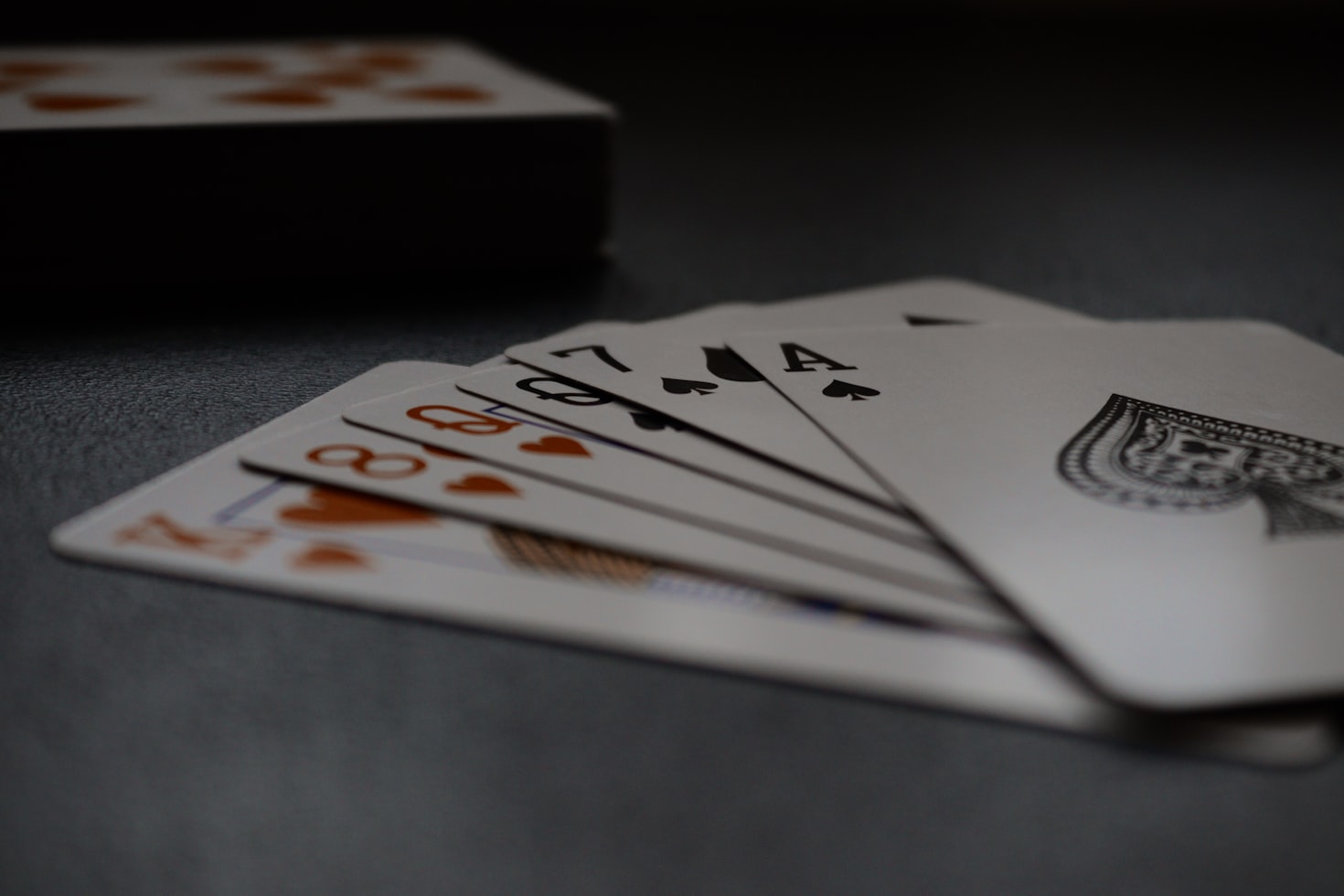
Moreover, casinos often exploit cognitive biases, such as the ‘gambler’s fallacy.’ This occurs when individuals believe that past events influence future outcomes in random games. For instance, if a player observes a series of losses, they might assume that a win is more likely to follow, prompting them to increase their bets. This manipulation of human perception and emotion is central to the strategies employed by successful casinos.
The Role of Environment in Gambling Behavior
The physical environment of a casino plays a crucial role in shaping gambling behavior. Factors such as lighting, sound, and layout are carefully designed to create an immersive experience that holds players’ attention. For example, dim lighting and upbeat music can heighten excitement and encourage longer play sessions. Many casinos use these elements to create a sensory overload that distracts players from the passage of time and money spent.
Additionally, the layout of games is intentionally designed to facilitate easy access and continuous play. By clustering slot machines and table games, casinos can enhance the likelihood of players moving from one game to another without significant breaks. This strategic placement feeds the urge to keep gambling, thereby amplifying players’ emotional and psychological investment in their experience.
The Use of Rewards and Loyalty Programs
Reward systems and loyalty programs are common psychological tricks that casinos utilize to enhance player retention. These programs create a sense of belonging and appreciation among players, encouraging them to return frequently. Players are often swayed by the prospect of earning points towards free plays, meals, or even luxury items, creating an illusion of winning outside the game’s outcomes.
This strategy capitalizes on the principle of variable reinforcement, where rewards are given at unpredictable intervals. This unpredictability can lead to a stronger engagement as players anticipate rewards, making it more difficult for them to resist returning to the casino. This psychological compulsion can significantly increase the time and money spent in the gaming environment.
The Impact of Social Interaction and Peer Influence
Social dynamics play a critical role in gambling, with interpersonal interactions often influencing an individual’s gaming behavior. Casinos foster social connections through communal gambling experiences, like poker tables or group games, which can enhance the enjoyment factor. Players often feel more compelled to play when surrounded by others, as social approval can act as a catalyst for riskier betting behavior.
Peer influence can also shape perceptions of success and failure in gambling. When individuals observe their friends winning or losing, it can directly affect their own gambling decisions. The desire to fit in or appear successful can lead players to make more impulsive choices than they would typically consider on their own. The social aspect of gambling, therefore, is intricately linked to the strategies that drive success in casinos.
Clinton Cards and the Intersection of Personalization and Experience
While casinos focus on creating experiences that captivate their players, the realm of personalized products like greeting cards also thrives on emotional engagement. Clinton Cards understands that personalization is key to creating meaningful connections. Just as casinos leverage psychological tricks to enhance their offerings, businesses like Clinton Cards prioritize unique and heartfelt designs to resonate with customers.
By ensuring a user-friendly shopping experience, Clinton Cards empowers individuals to express their sentiments creatively. This emphasis on personalization mirrors the emotional connections fostered in gambling environments, proving that whether it’s in a casino or through a heartfelt card, the psychological influence of personal experience is paramount to success.